


‘Wanted’ Director Is Using Method Acting Techniques With AI Actors
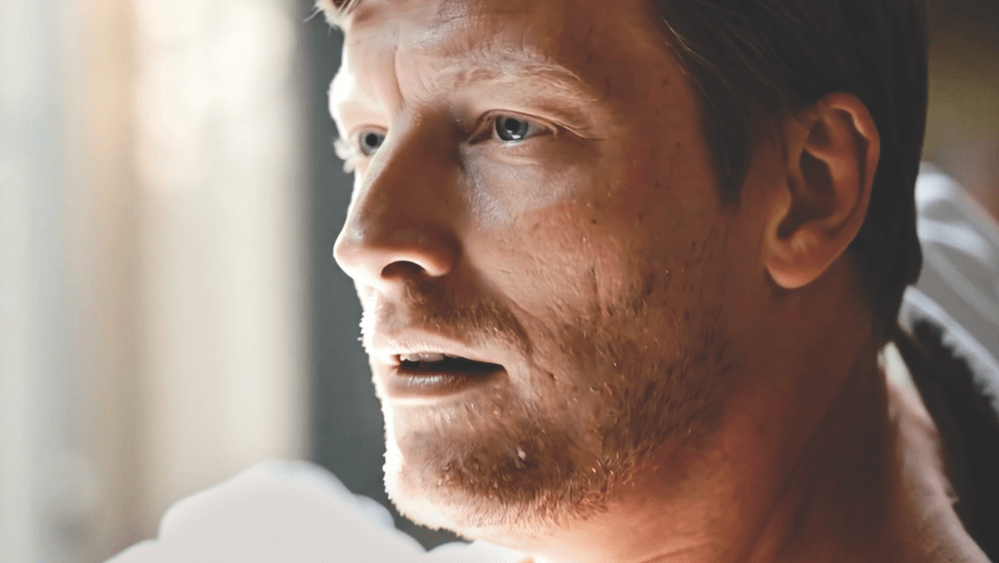
A soldier sits in a sterile hospital room, speaking words of hard-earned wisdom as his eyes betray flickers of melancholy and regret. It’s a scene out of a movie, only this is no ordinary actor, delivering a performance to a camera from the comfort of a soundstage. Instead, it’s a collection of pixels that have been assembled through the magic — or, depending upon your perspective, evil alchemy — of AI. And here’s the thing: Unlike most AI creations that look, well, phony, this guy is completely lifelike.
This touching scene has been assembled using patented technology from Timur Bekmambetov, a Kazakh Russian filmmaker best known for the 2008 Angelina Jolie action film “Wanted.” Dubbed Stanislavsky, the program attempts to train AI using the same Method acting techniques that transformed Marlon Brando, James Dean and Robert De Niro into screen titans. (The name is a hat tip to Konstantin Stanislavski, the Russian theater director who revolutionized acting by using self-analysis to create a style of performance that was more psychologically realistic.)
“If a character is staring out a window with a sad look, I won’t just tell the AI, ‘He’s sad,’” Bekmambetov, who is walking me through a demonstration of the tech on Zoom, explains. “In the prompt I’ll use the Stanislavski system and write something like ‘His dog died yesterday, and the sunset is reminding him of what it was like to play with his dog in the park.’”
“It’s not about what you want a character to do; it’s giving them a map for how to get there,” he adds.
But Bekmambetov’s product is about more than just delivering more authentic artificial performances. It helps create entire films and shows. To begin with, producers feed a script into the Stanislavski system and it breaks down the action into a series of suggested shots and sequences that will eventually be reshaped by filmmakers during production. The program also functions as an interface that allows the heads of different departments — from the cinematographer to the production designer to the editor — to interact on one platform, where they can share notes and feedback and also give the AI direction on how to fine-tune a film or show.
Bekmambetov spent roughly $5 million and more than a decade developing the technology and is aiming for a December launch. It arrives as Hollywood is fiercely debating the costs and benefits of AI: Studios and streamers hope it will help them slash budgets and work more efficiently, while actors, writers and other creative talent fear it will lead to fewer and fewer jobs. Bekmambetov acknowledges the disruptive ramifications of AI, but he’s a convert.
“It’s too late — AI is here to stay, so we have to train it responsibly,” Bekmambetov says. “Don’t think of AI as an angel or as the devil. Yes, it will take jobs, but what we need to focus on is how do we direct it and use it properly.”
His next film, “Mercy,” is a thriller about a man, played by Chris Pratt, who has 90 minutes to prove his innocence to an AI judge. It will be distributed by Amazon MGM Studios and opens on Jan. 23. Even before “Mercy” started shooting, Bekmambetov used AI to create a mockup version of the film and presented it to the studio so it could see what it had greenlit.
“We basically showed them the final cut,” he says. “They gave me less notes. Usually, they’re watching dailies and giving you feedback during the production, but they didn’t do that this time.”
Bekmambetov is going a step further in his embrace of the technology with a film adaptation of the book “The Man With a Shattered World.” It tells the story of Russian psychologist A.R. Luria’s attempts to help a Soviet soldier recover from a devastating brain injury by using a series of neuropsychological techniques. The film mostly unfolds in the soldier’s mind and will be an almost entirely AI-generated creation — the only professional actor in the film is the breakout star of a recent art-house hit (whom Bekmambetov declined to name).
“Luria reprogrammed the patient’s brain, which is exactly what we’re doing now with AI,” says Bekmambetov. “He’s basically the father of AI, so it makes perfect sense to tell his story this way.”
But even Bekmambetov is skeptical that AI actors will put flesh-and-blood performers permanently out of work.
“Someone like Angelina Jolie, you can instruct her, but there’s a magic there that can’t be entirely replicated,” he says. “Maybe actors will train their own AI models, which will allow them to work in different ways, but creative people can never be replaced.”
