


‘The Ivy’ Director on Upcoming Drama About Sex Trafficking Victims
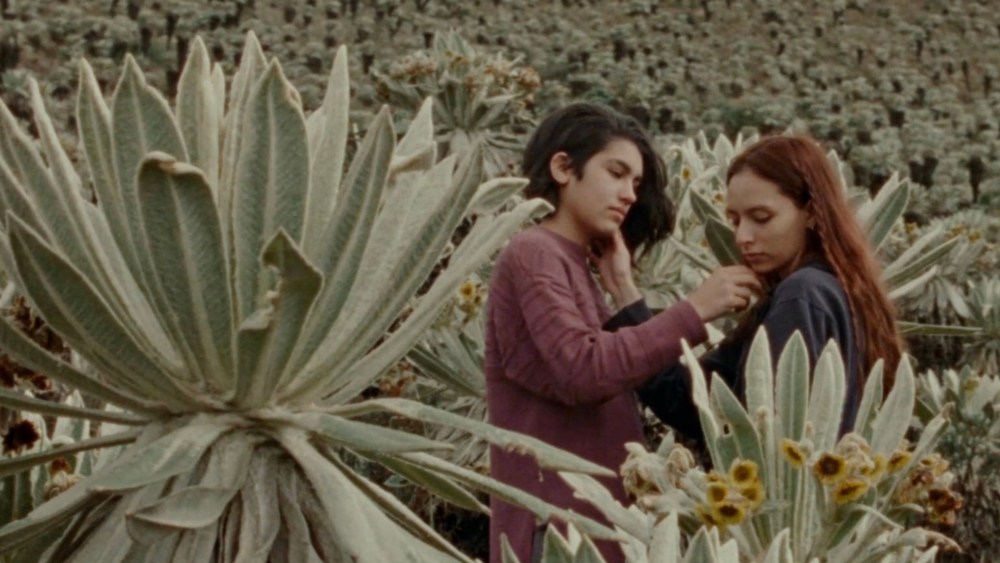
Ecuadoran filmmaker Ana Cristina Barragán is set for a busy week on the Lido, where she’s launching her third feature, “The Ivy,” in the Venice Film Festival’s Horizons competition while also pitching her next project, “Amapola,” in the Venice Gap-Financing Market. The director spoke to Variety about her upcoming feature ahead of the event, which runs Aug. 29 – 31.
“Amapola” follows a group of teenage victims of sex trafficking living in a secret shelter hidden in the forest. There, their days are still dictated by the nocturnal schedules they’d grown accustomed to during years of sexual exploitation. Wrestling with past trauma, the girls forge deep bonds as they slowly learn to navigate their pain, looking to rebuild their lives as their time in the shelter comes to an end.
Written and directed by Barragán, the film is produced by Trópico Cine and Botón Films, in co-production with Klaxon Cultura Audiovisual. The producers are Estefanía Arregui and Joe Houlberg Silva, and the co-producer is Rafael Sampaio.
“Amapola” was inspired by the director’s own experience visiting a shelter for trafficking victims in Ecuador, where she met girls between the ages of 12 and 16 struggling to overcome the horrors they’d been subjected to. Barragán said she was moved by their resilience — some were nursing babies fathered by their kidnappers — as well as the invisible scars they still bore, even as they showed glimpses of the girlhood they were robbed of.
“‘Amapola’ explores sex trafficking through the trail it leaves behind — from the bodies of the teenagers, their scars, their games, behaviors and secrets,” Barragán said. As with her previous features, the film is an intimate study of human bodies — “their clumsiness, their touch, the expressiveness of hands and small gestures, in everything that is not seen but intuited,” she said — though in “Amapola,” “the body is a territory that has been invaded and impacted.”
Both the director’s acclaimed debut, “Alba,” which premiered at the Intl. Film Festival Rotterdam and was Ecuador’s official Oscar entry in 2016, and her sophomore feature, “Octopus Skin” (2022), which premiered in competition at San Sebastian, tapped into Barragán’s fascination with girlhood and childhood trauma, and she returns to those themes in “Amapola.”
“It’s a very particular age. As a woman, you start feeling conscious about yourself, and how others perceive you. You lose some kind of freedom,” she said. “It’s a very fragile age, and [produces] a mixture of feelings — anxiety and beauty.” A girl in that awkward stage on the cusp of womanhood, she said, is “like a flower, growing up, but with roughness.
The director will again work largely with non-professional actors, who she praised for the “hypnotic” way they perform before the camera. The selection will come after an extensive casting search, with Barragán describing how she works with her actors for months to help prepare them for their roles. “I am really involved in the acting process,” she said. “I am really close to the actresses, and it’s a very intimate and very respectful process.”
In “The Ivy,” premiering this week in Venice, the director worked with a cast of mostly non-professional children and teenagers to tell the story of a 30-year-old woman who forges an unlikely and intimate bond with a teenage boy living in a group home. Barragán said she wanted to “push the boundaries of the intimacies we’ve come to accept as normal…[and] seek a desire that is disordered, unresolved.”
“Amapola” marks something of a departure from “The Ivy” and Barragán’s previous films, which she compared to a “trilogy” focused on family bonds and the scars our childhood experiences leave behind. Nevertheless, she said “The Ivy” has “roots” in her next film, which continues her ongoing exploration of “what moves beneath the surface of the story.”
